
Durable Epoxy Flooring Finishes for Stunning Spaces in Dundee and Surrounding Areas
Durable epoxy flooring is a stylish and long-lasting choice for homes and businesses in Dundee, MI, and nearby towns such as Rockwood, Flat Rock, Monroe, Trenton, Woodhaven, and Taylor. These floors provide a seamless, modern surface that combines beauty with functionality. To keep them looking their best, proper cleaning, maintenance, and sealing are essential.
How Do I Clean Durable Epoxy Floors in Dundee and Nearby Towns?
Proper cleaning is key to preserving the shine and longevity of epoxy floors. Start by sweeping or dust mopping daily to remove dirt, debris, and dust. Follow up with a damp mop using a pH-neutral cleaner designed specifically for epoxy floors. It is important to avoid harsh chemicals, acidic cleaners, or abrasive tools, as these can damage the surface. Paying extra attention to high-traffic areas, such as hallways and entryways, helps maintain a smooth, glossy finish in Dundee, Rockwood, Flat Rock, and Monroe.
What Is the Best Way to Remove Stains from Epoxy Floors?
Acting quickly is crucial when dealing with stains. Spills should be blotted immediately using a soft cloth or sponge to prevent them from penetrating the surface. For tougher stains, warm water mixed with mild dish soap can be effective. Avoid scrubbing aggressively, as this can dull the epoxy finish. Routine spot cleaning ensures that floors in Trenton, Woodhaven, and surrounding areas remain uniform and reflective.
Why Should Epoxy Floors Be Sealed in Dundee and Surrounding Areas?
Sealing epoxy floors creates a protective barrier that guards against scratches, scuffs, chemical spills, and wear from heavy foot traffic. A high-quality sealant enhances the floor’s gloss and durability, making it an excellent choice for both residential and commercial spaces throughout Dundee, Taylor, Monroe, and nearby towns.
How Often Should Epoxy Floors Be Resealed?
The frequency of resealing depends on usage and traffic levels. Residential floors with moderate use typically need resealing every two to three years, while commercial spaces with heavy traffic may require annual resealing. Conducting regular inspections in Dundee and surrounding areas ensures that floors continue to resist scratches, stains, and fading.
Can Routine Care Maintain the Shine of Epoxy Floors?
Yes, routine care is essential for preserving the glossy, reflective finish of epoxy floors. Avoid dragging furniture or heavy objects across the surface, and use floor protectors or mats in high-traffic zones. Dust mopping daily and performing wet cleaning weekly will keep the floors vibrant, and occasional professional polishing can restore the metallic or glossy finish, ensuring epoxy floors in Dundee, Rockwood, Flat Rock, and Trenton stay stunning.
How Do I Protect Epoxy Floors from Heavy Foot Traffic?
Using rugs, mats, or floor protectors in entryways, kitchens, and other high-traffic areas can significantly reduce wear and tear. Minimizing direct impact on the floor helps maintain both the durability and aesthetic appeal of epoxy surfaces in Dundee and surrounding towns.
Are Epoxy Floors Resistant to Chemical Spills?
While epoxy floors are generally resistant to many household and commercial chemicals, spills should still be cleaned promptly. Quick action prevents staining or damage, preserving the finish for longer periods across Dundee, Woodhaven, and nearby areas.
What Mistakes Should Be Avoided When Maintaining Epoxy Floors?
Common mistakes include using harsh or acidic cleaners, scrubbing with abrasive tools, neglecting regular cleaning and resealing, and allowing spills to sit for long periods. Avoiding these errors helps epoxy floors maintain their shine and durability in Dundee and surrounding towns.
Can Epoxy Floors Be Polished Professionally?
Yes, professional polishing can restore the reflective finish of epoxy floors. It is especially useful for high-traffic areas or floors that have lost some of their original gloss, keeping spaces in Dundee, Rockwood, Flat Rock, and Trenton looking modern and elegant.
Why Choose Durable Epoxy Flooring for Your Home or Business in Dundee?
Durable epoxy floors combine style, longevity, and easy maintenance, making them ideal for homes and businesses in Dundee, MI, and surrounding areas such as Rockwood, Flat Rock, Monroe, Trenton, Woodhaven, and Taylor. By following proper cleaning, sealing, and maintenance practices, homeowners and business owners can protect their investment while enjoying a seamless, stunning floor that elevates the appearance of any space for years to come.
Final Thoughts
Durable epoxy flooring finishes in Dundee, MI, and surrounding areas like Rockwood, Flat Rock, Monroe, Trenton, Woodhaven, and Taylor combine style, durability, and easy maintenance. By following professional cleaning and sealing practices, you can protect your investment while preserving a glossy, modern appearance. With proper care, your epoxy floors will continue to elevate your space for years to come.
How long do epoxy floors last in residential and commercial spaces?
With proper maintenance and sealing, residential epoxy floors can last 10–15 years, while commercial floors with high traffic may last 5–10 years.
Can I install epoxy flooring myself in Dundee?
While DIY kits are available, professional installation is recommended to ensure a smooth, durable, and long-lasting finish.
Is epoxy flooring safe for homes with children and pets?
Yes, epoxy floors are non-toxic once cured and easy to clean, making them safe for families and pets.
How slippery are epoxy floors when wet?
Epoxy floors can be slippery when wet, but adding a non-slip additive during installation or applying anti-slip mats in high-risk areas improves safety.
Can epoxy floors be customized with colors or metallic effects?
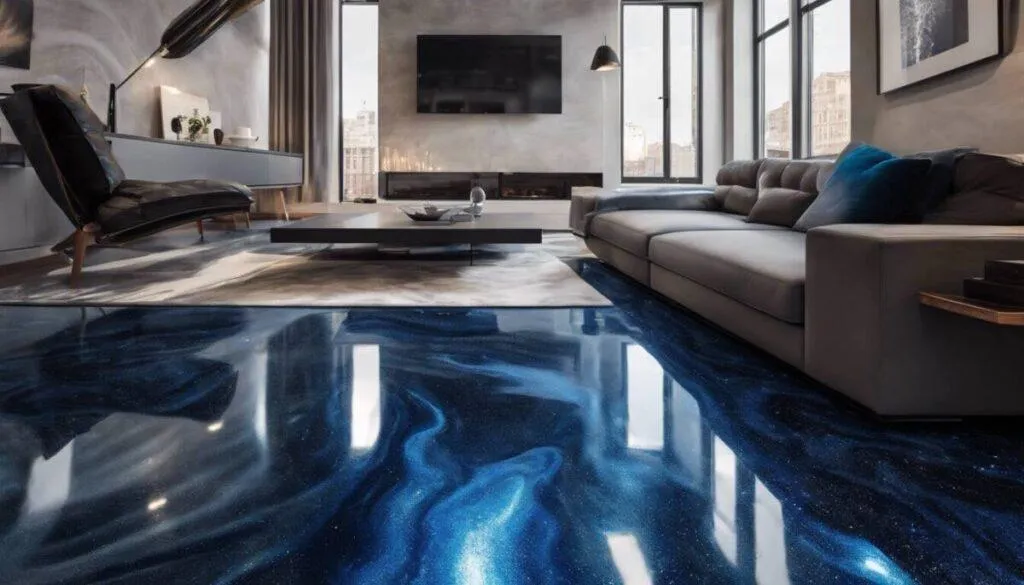
Absolutely. Epoxy flooring can be customized with colors, metallic pigments, or decorative flakes to create unique and stylish finishes.
Email: [email protected]
Phone: +1 734-875-8241
Address: 17109 Day Rd, Dundee, MI 48131